Project Results
A handbook is a detailed, practical reference tool designed to provide comprehensive information and guidance on a specific topic or field. It typically offers a structured format that includes organized content, step-by-step procedures, and actionable insights to assist users in understanding and applying key concepts effectively. Handbooks are crafted to be user-friendly, making complex information more accessible and manageable. They serve as valuable resources for learning, training, and practical application, helping individuals gain expertise, solve problems, and make informed decisions. Whether aimed at professionals, students, or the general public, handbooks are instrumental in delivering essential knowledge, best practices, and practical solutions in a clear and organized manner. They often include features such as illustrations, examples, and tips to enhance the user's comprehension and ability to apply the information in real-world scenarios.
GreAT project has created a series of handbooks as part of its educational and training materials. These handbooks are important for sharing key information about the project in a simple and clear way. Each handbook is designed to match the six learning, teaching, training activities of the GreAT project, with topics including:
- Biofuel Production from Waste (Compost) : English, Bulgarian, Estonian, Italian, Macedonian, Portuguese, Spanish, Turkish
- Gaming Approaches to Biotechnology : English, Bulgarian, Estonian, Italian, Macedonian, Portuguese, Spanish, Turkish
- Microalgae as Alternative Food : English, Bulgarian, Estonian, Italian, Macedonian, Portuguese, Spanish, Turkish
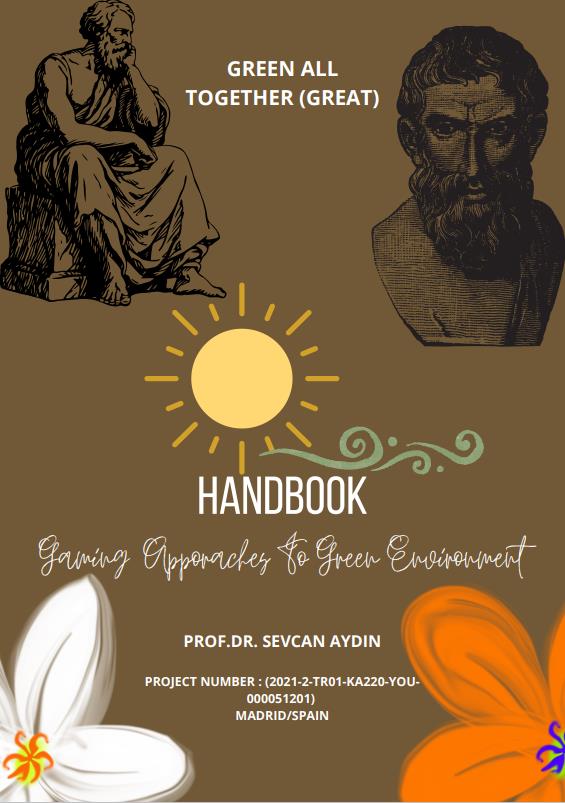
- Gaming Approaches to Green Environment : English, Bulgarian, Estonian, Italian, Macedonian, Portuguese, Spanish, Turkish
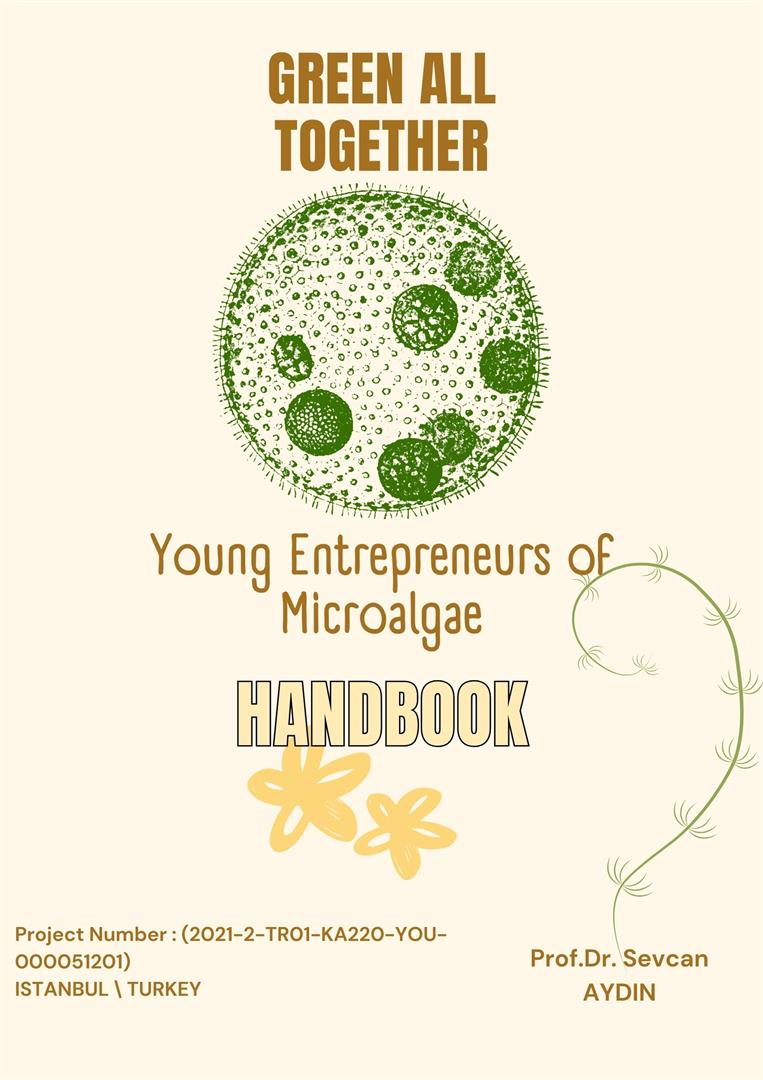
- Young Entrepreneurs of Microalgae : English, Bulgarian, Estonian, Italian, Macedonian, Portuguese, Spanish, Turkish
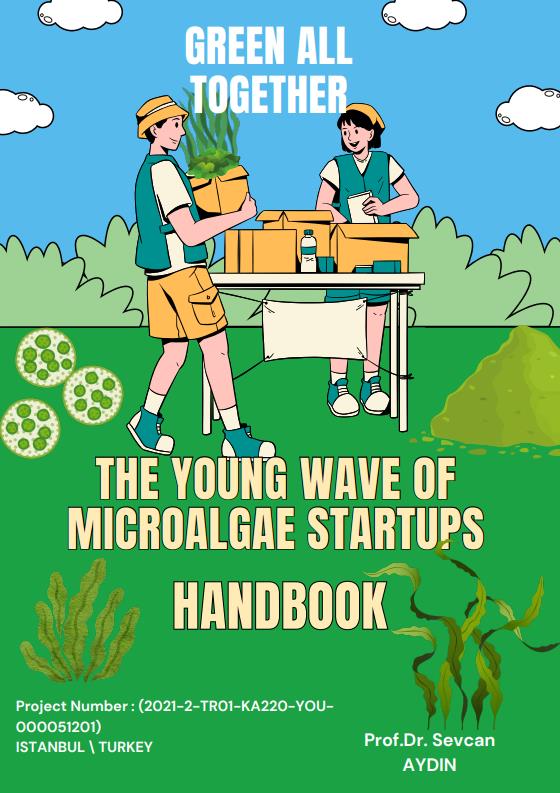
- The Young Wave of Microalgae Startups : English, Bulgarian, Estonian, Italian, Macedonian, Portuguese, Spanish, Turkish
These handbooks are full of colorful and engaging visuals, making them fun and easy to read for people of all ages. They provide clear and concise information about the LTT topics and practical recipes for using microalgae, making complex information easy to understand.
You can use these handbooks as quick and practical guides to learn about the project activities and their content. They are available for free access and download and in various languages (Turkish, English, Spanish, Italian, Bulgarian, Macedonian, Estonian, Portuguese) to reach as many people as possible.
GreAT project has developed detailed e-books as part of its educational and training content. These e-books serve as guidance materials on topics related to plastic reduction and waste management, offering comprehensive information, thorough explanations, and practical daily strategies.Unlike the concise handbooks, the e-books delve deeper into the subjects, helping readers understand the bigger picture and take effective actions. These e-books are available for free access and download and can be accessed in multiple languages (Turkish, English, Spanish, Italian, Bulgarian, Macedonian, Estonian, Portuguese) to reach as many people as possible.
There are two main e-books aimed at raising awareness about climate change and the environment:
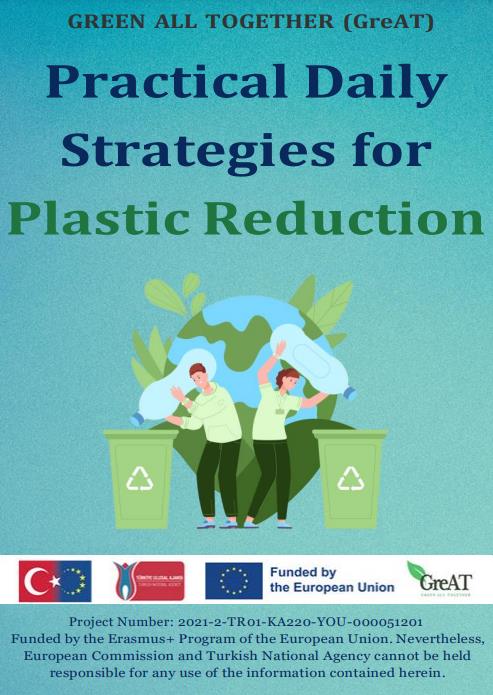
- Practical Daily Strategies for Plastic Reduction : English, Bulgarian, Estonian, Italian, Macedonian, Portuguese, Spanish, Turkish
Practical Daily Strategies for Plastic Reduction
is an essential guide for individuals committed to reducing their plastic use and minimizing their waste. This comprehensive e-book delves into the pressing issue of plastic pollution, thoroughly examining its causes, widespread effects, and the urgent need for action. It provides readers with a clear understanding of how plastic pollution impacts the environment, marine life, and human health, highlighting the scale and seriousness of the problem.
The e-book is meticulously crafted to offer practical, actionable steps that anyone can incorporate into their daily lives to significantly lessen their plastic footprint. It is filled with a wealth of tips and techniques designed to make the process of reducing plastic use both manageable and effective. Each section provides clear, step-by-step guidance on how to make sustainable choices in various aspects of daily life, from shopping and food storage to personal care and waste management.
Readers will find strategies for reducing single-use plastics, such as choosing reusable alternatives, avoiding plastic packaging, and adopting eco-friendly practices at home and on the go. The e-book also addresses common challenges and offers creative solutions to overcome obstacles in the journey towards plastic reduction.
Additionally, Practical Daily Strategies for Plastic Reduction emphasizes the importance of personal and collective action, encouraging readers to become advocates for change within their communities. By providing practical advice alongside insightful information, the e-book aims to inspire and empower individuals to make meaningful changes that contribute to a larger movement towards sustainability.
Overall, this e-book serves as a valuable resource for anyone looking to make a positive impact on the environment by adopting effective strategies for reducing plastic waste. With its practical approach and detailed guidance, it equips readers with the knowledge and tools needed to take significant steps towards a more sustainable future.
- Practical Daily Strategies for Zero Waste : English, Bulgarian, Estonian, Italian, Macedonian, Portuguese, Spanish, Turkish
The e-book provides clear, step-by-step instructions on how to incorporate zero-waste practices into various aspects of daily life. It includes simple and effective recipes for homemade alternatives to commonly used products, such as cleaning supplies, personal care items, and food storage solutions. These recipes are crafted to be accessible and user-friendly, helping readers reduce their reliance on single-use plastics and disposable products.
In addition to practical recipes, Practical Daily Strategies for Zero Waste offers a range of suggestions for everyday actions that contribute to waste reduction. From shopping tips and meal planning to waste management and recycling techniques, the guide covers all facets of a zero-waste lifestyle. It also provides insights into how to minimize waste while still enjoying the conveniences of modern life.
The e-book emphasizes making sustainability a seamless part of daily routines, highlighting how small changes can lead to significant environmental benefits. It encourages readers to explore and adopt zero-waste alternatives that fit their personal preferences and lifestyles. By offering practical tips and relatable advice, Practical Daily Strategies for Zero Waste aims to inspire and empower individuals to take meaningful steps towards reducing their environmental impact.
Overall, this guide serves as a valuable tool for anyone committed to starting or enhancing their journey towards a zero-waste lifestyle. With its combination of easy-to-follow recipes, actionable suggestions, and encouragement, it helps readers make sustainable choices that contribute to a cleaner, greener planet.
The GreAT project has successfully integrated digital elements into its educational approach to environmental pollution by developing a highly engaging mobile game. This innovative game is designed with the dual purpose of raising awareness about plastic pollution and promoting environmental sustainability, ensuring that learning is both interactive and enjoyable. Developed through a meticulous planning process by Istanbul University in collaboration with Inercia Digital SL, the game stands out as a particularly effective tool for educating younger audiences and fostering a deeper understanding of environmental issues.
Available for free on both Android and iOS platforms, the game is a significant step in making environmental education accessible to a broad audience. It is planned to be supported and maintained for a minimum of five years, reflecting a commitment to long-term educational impact and continuous improvement. The game addresses critical issues related to plastic pollution and sustainability, focusing on the environmental challenges posed by plastic waste and offering practical insights into how everyday habits and choices can contribute to a more sustainable world.
Through its interactive gameplay, the game engages players of all ages, making complex environmental concepts more relatable and easier to understand. It combines entertainment with education, providing a unique and immersive learning experience. Players navigate various scenarios and challenges that illustrate the impacts of plastic pollution and explore actionable solutions for reducing waste. By intertwining scientific insights with engaging gameplay, the game serves as an innovative educational tool that captivates users while imparting valuable knowledge about environmental responsibility.
Overall, the mobile game represents a significant advancement in how environmental education is delivered. Its ability to blend fun and learning ensures that players not only enjoy their gaming experience but also come away with a greater awareness of plastic pollution and the importance of sustainability. This approach aligns with the GreAT project's mission to foster environmental stewardship through innovative and effective educational methods.
The game was first introduced during the C2 – 'Gaming Approaches to Biotechnology' activity held in Huelva, Spain, in December 2023.
The direct link to download for Android here.
The direct link to download for IOS here.
The practical idea of the game here.


The GreAT project has developed several critical guidelines to support its mission and offer valuable resources to all stakeholders involved. These comprehensive outputs are designed to serve as best practice frameworks, ensuring effective and informed engagement in the project's various initiatives. The guidelines include three pivotal documents: ‘Guide4Mentors’, ‘Guide to Green Entrepreneurs’ Success’, and ‘Best Practices for Microalgae as Alternative Food’. Each document plays a unique role in advancing the project's goals and providing essential information.
‘Guide4Mentors’: This document is tailored for mentors who play a crucial role in guiding and supporting individuals, particularly young people and emerging entrepreneurs, as they navigate the challenges of green entrepreneurship and sustainable practices. The guide offers practical advice on how to effectively mentor and coach mentees, providing insights into fostering their development and ensuring they gain the skills and knowledge needed to succeed. It includes strategies for setting goals, offering constructive feedback, and creating a supportive learning environment. By equipping mentors with these tools, the guide aims to enhance the effectiveness of mentoring relationships and contribute to the growth of future leaders in the green economy.
‘Guide to Green Entrepreneurs’ Success’: This document is designed to help aspiring green entrepreneurs achieve success in their ventures. It provides a comprehensive overview of key aspects of green entrepreneurship, including identifying market opportunities, developing sustainable business models, and implementing effective business strategies. The guide covers essential topics such as financial planning, securing funding, marketing green products, and navigating regulatory requirements. By offering practical tips and best practices, this guide supports entrepreneurs in building and scaling their sustainable businesses, ultimately contributing to a more environmentally friendly and economically viable green economy.
‘Best Practices for Microalgae as Alternative Food’: This document focuses on the use of microalgae as a sustainable and nutritious food source. It outlines best practices for cultivating, processing, and utilizing microalgae in various food applications. The guide includes detailed information on the environmental benefits of microalgae, its nutritional content, and its potential to address food security challenges. It also covers technical aspects of microalgae cultivation, such as optimizing growth conditions and ensuring product quality. By providing comprehensive guidelines on how to effectively incorporate microalgae into the food industry, this document aims to promote its adoption as a viable alternative to traditional food sources.
Together, these documents form a critical part of the GreAT project's efforts to promote sustainability, support green entrepreneurship, and address global challenges through innovative solutions. They offer targeted advice and actionable insights to various stakeholders, including mentors, entrepreneurs, and industry professionals, helping them to navigate their respective roles and contribute effectively to the project's overarching goals.
These guidelines are essential for providing practical knowledge and supporting sustainability, innovation, and youth empowerment. They are available for free access and download in multiple languages (Turkish, English, Spanish, Italian, Bulgarian, Macedonian, Estonian, Portuguese).
- Guide4Mentors is a resource for effective mentorship in social and green entrepreneurship. It helps mentors support young entrepreneurs, promote active citizenship, and boost youth initiatives. You can download Guide4Mentors: English, Bulgarian, Estonian, Italian, Macedonian, Portuguese, Spanish, Turkish
- Guide to Green Entrepreneurs’ Success offers practical advice and strategies for green entrepreneurs and focuses on helping entrepreneurs start and grow their businesses with sustainability and social impact in mind. You can download Guide to Green Entrepreneurs’ Success: English, Bulgarian, Estonian, Italian, Macedonian, Portuguese, Spanish, Turkish.
- Best Practices for Microalgae as Alternative Food provides information on using microalgae as a sustainable food source and includes sections on "How to Use Microalgae as a Protein Alternative?" and "How to Process Microalgae for Effective Usage?" You can download Best Practices for Microalgae as Alternative Food: English, Bulgarian, Estonian, Italian, Macedonian, Portuguese, Spanish, Turkish.
Throughout the GreAT project, various evaluation tools were rigorously used to measure the effectiveness of the training sessions within the learning, teaching and training (LTT) activities. One of the main tools is the Mentimeter.com' platform, which enables the realization of interactive quizzes and surveys. These assessments aimed to determine the knowledge gains and changes in the participants' perspectives on the topics covered in the training sessions.
The quizzes and surveys generated through Mentimeter.com played an important role in collecting quantitative data to measure participants' understanding before and after the training sessions. This approach was used to comprehensively assess how effectively knowledge was transferred in the training sessions and workshops and the impact on participants' learning. By comparing participants' responses, learning progress was tracked by the project team, measuring the immediate impact of the trainings and assessing the overall success of the GreAT project's training efforts.
In addition to Mentimeter.com, another innovative evaluation tool used was the QR code study. This tool was used during the C4 LTT activity to further engage participants in an interactive learning process. The training sessions included QR codes linked to various thematic sections that allowed to study key topics related to environmental awareness and philosophical perspectives on the environmental crisis. The QR code exercise was designed to encourage participants to active participation and critical thinking.
Participants were divided into three mixed groups that included individuals from different country partners such as Spain, Bulgaria and North Macedonia. This international collaboration enriched the learning experience by bringing diverse perspectives to the discussions. The QR code study included three thematic sections, each represented by a different QR code.
- QR Code I - 'Earth': Focused on understanding the planet's ecosystems, environmental challenges and the role of human activities in shaping environmental conditions.
- QR Code II - 'Environmental Challenges': Tackled specific issues related to environmental degradation, such as pollution, climate change and resource depletion.
- QR Code III - 'Philosophy - Crisis': Explored philosophical perspectives on the environmental crisis and the ethical and existential dimensions of humanity's relationship with nature.
Each section was designed to have its own set of questions designed to elicit participants' personal opinions, thoughts and perspectives. This method encouraged participants to engage deeply with the material and share their experiences, thus providing a richer understanding of the topics discussed.
The QR code study, together with quizzes and questionnaires, offered a versatile approach to evaluate the training sessions. It provided qualitative and quantitative data on participant engagement, learning outcomes and the effectiveness of the GreAT project's training strategies. This rigorous evaluation process was important in refining the project's approach and ensuring that the training content was effective and relevant to the participants' needs. These evaluation tools provided valuable feedback and ensured that the training sessions were effective and engaging.
The detailed report of Survey study here
Before each learning, teaching, and training activity, the GreAT project undertook comprehensive reviews of scientific literature on relevant environmental and entrepreneurial topics. These reviews are systematically compiled into a document titled ‘Scientific Literature Review on Clean and Sustainable Environment’. This document is crucial in ensuring that participants receive the most accurate, up-to-date, and high-quality information during their educational sessions.
The primary aim of this document is to provide a robust foundation of scientific research, offering participants access to the latest developments and insights in the fields of environmental sustainability and green entrepreneurship. By incorporating current research findings, the document helps ensure that the educational content is both relevant and impactful. This up-to-date knowledge supports critical thinking, informed decision-making, and the application of advanced concepts, fostering a deeper understanding of complex environmental and entrepreneurial issues.
The ‘Scientific Literature Review on Clean and Sustainable Environment’ plays a significant role in preparing participants for advanced topics within the GreAT project's educational framework. It ensures that all materials and sessions are grounded in reliable scientific evidence, maintaining a high standard of quality and consistency across the project. This rigor is essential for achieving the project's goals, as it ensures that participants are well-equipped with the knowledge needed to contribute effectively to sustainable development and innovative entrepreneurship.
Furthermore, the document facilitates the customization of educational content to meet specific learning objectives. By providing a comprehensive overview of scientific research, it allows educators to tailor their sessions to address particular themes and challenges, enhancing the relevance and effectiveness of the training. This targeted approach ensures that participants engage with material that is directly applicable to their interests and needs, promoting a more meaningful learning experience.
The ‘Scientific Literature Review on Clean and Sustainable Environment’ is designed to help participants develop the knowledge and skills required to address contemporary environmental challenges. It empowers them to adopt and implement innovative, sustainable practices within their communities and professional fields. The rigorous scientific foundation provided by the document supports the project's overarching goal of creating informed, proactive individuals capable of driving positive change.
To ensure broad accessibility, the document is made available for free on the GreAT project website and is offered in multiple languages, including Turkish, English, Spanish, Italian, Bulgarian, Macedonian, Estonian, and Portuguese. This multilingual availability ensures that the valuable insights contained within the document reach a diverse and global audience, further amplifying the impact of the GreAT project's educational initiatives. By providing this resource freely and in various languages, the project underscores its commitment to fostering global awareness and collaboration in the pursuit of environmental sustainability and innovation.
You can download Scientific Literature Review on Clean and Sustainable Environment: English, Bulgarian, Estonian, Italian, Macedonian, Portuguese, Spanish, Turkish.